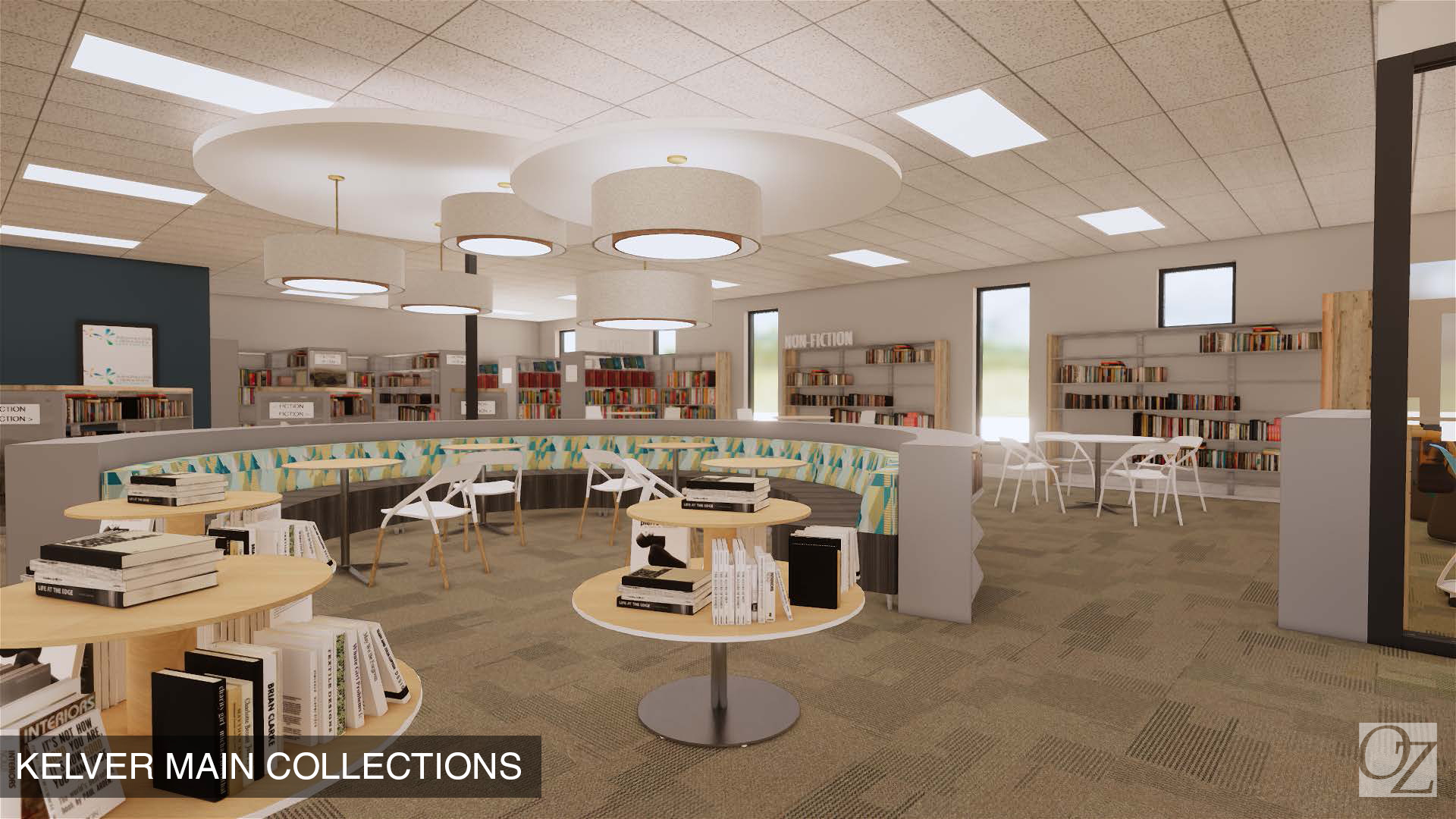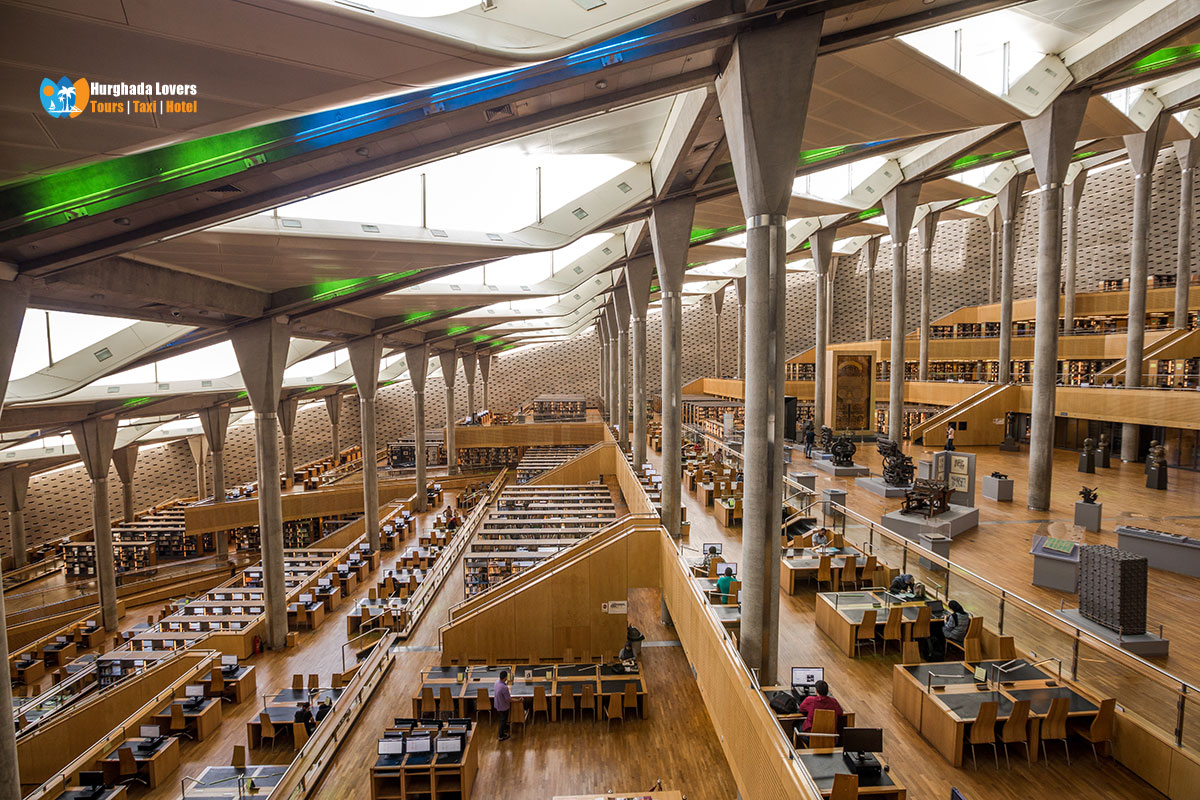
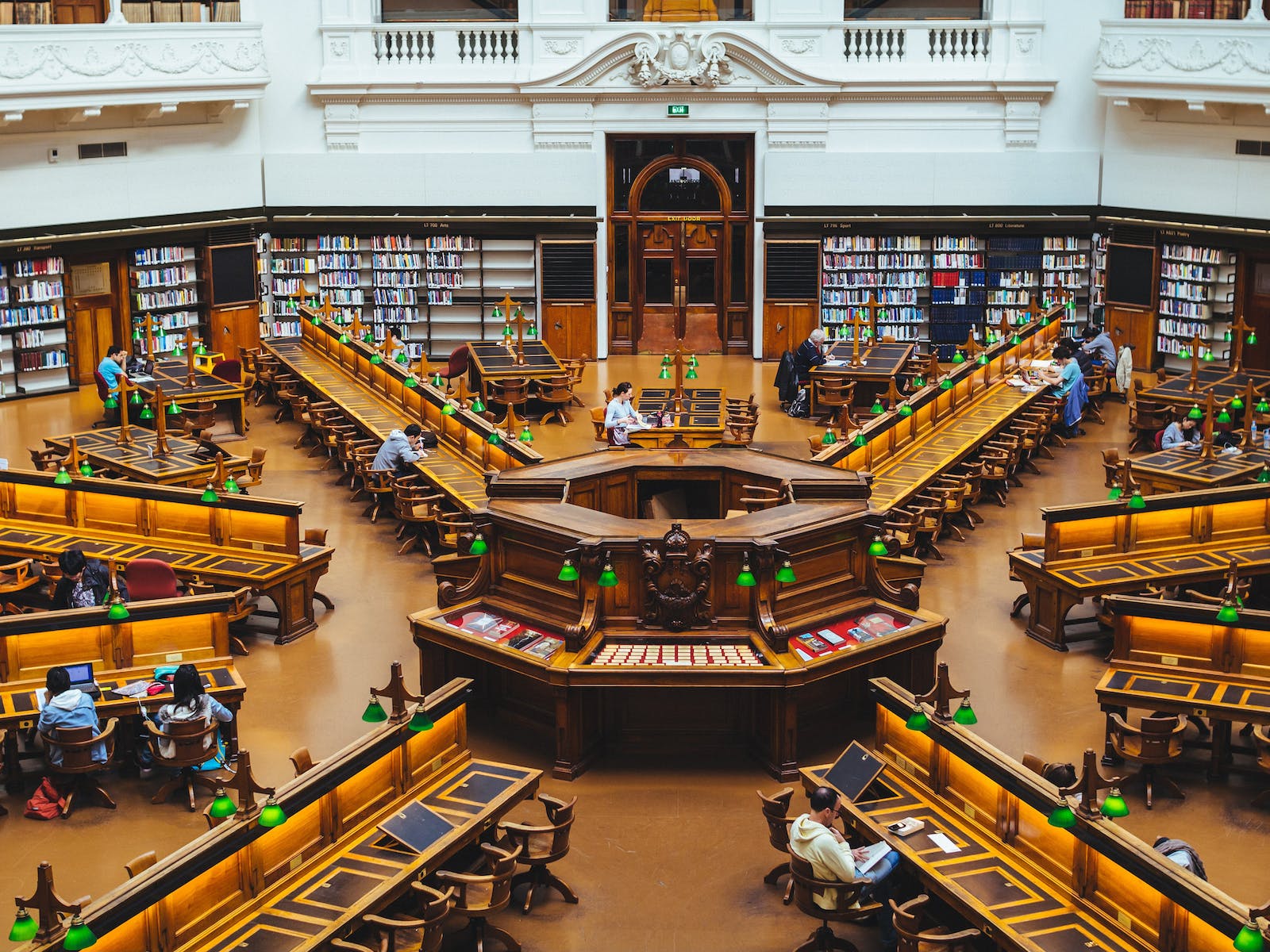
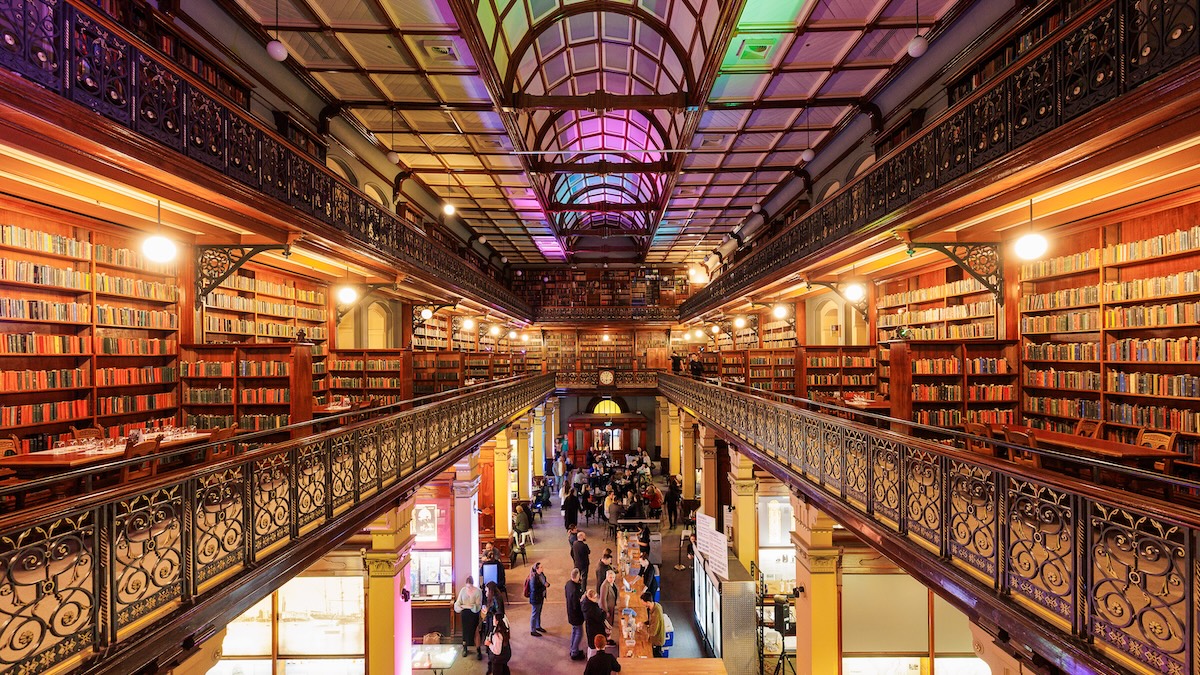
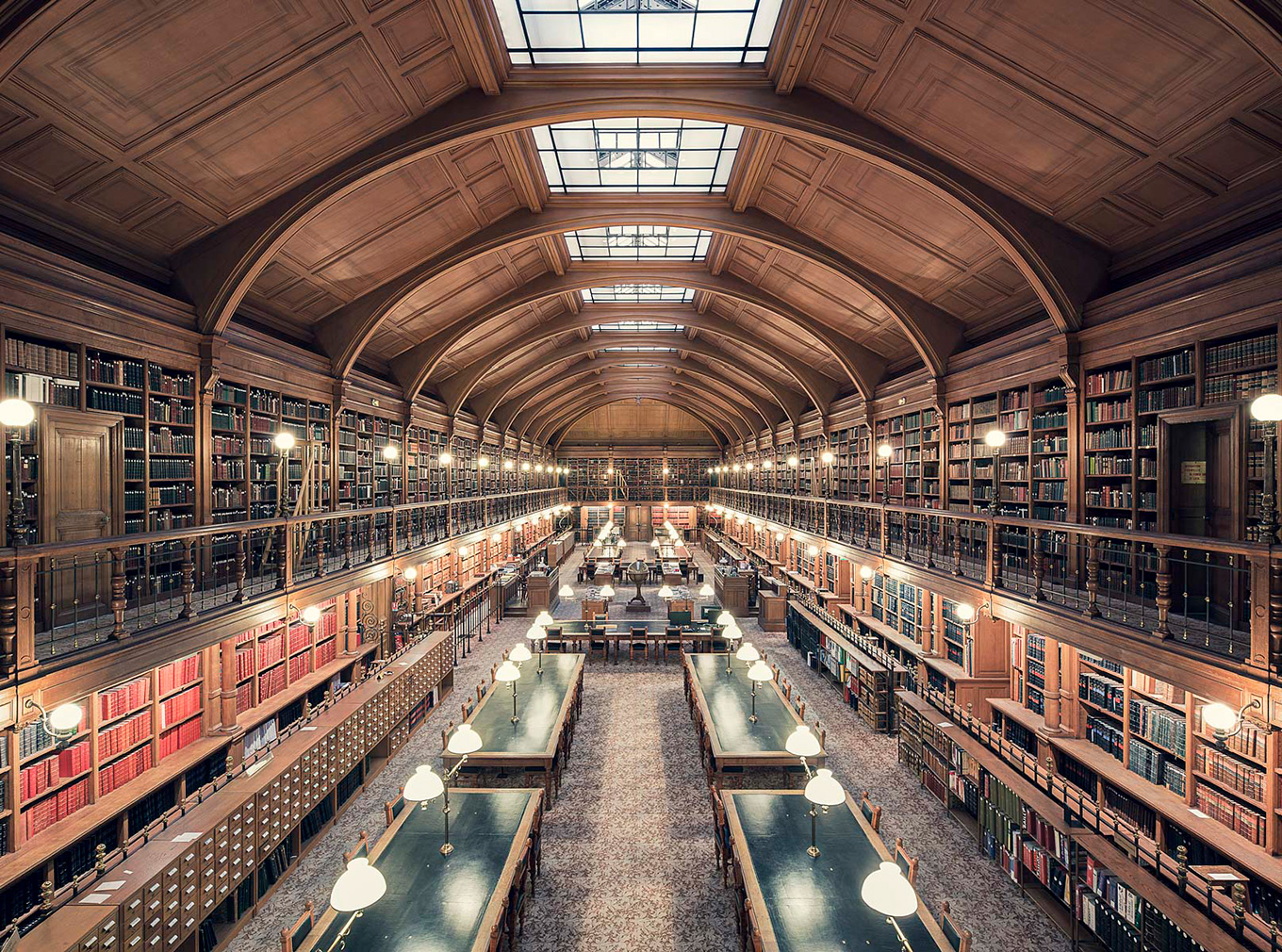
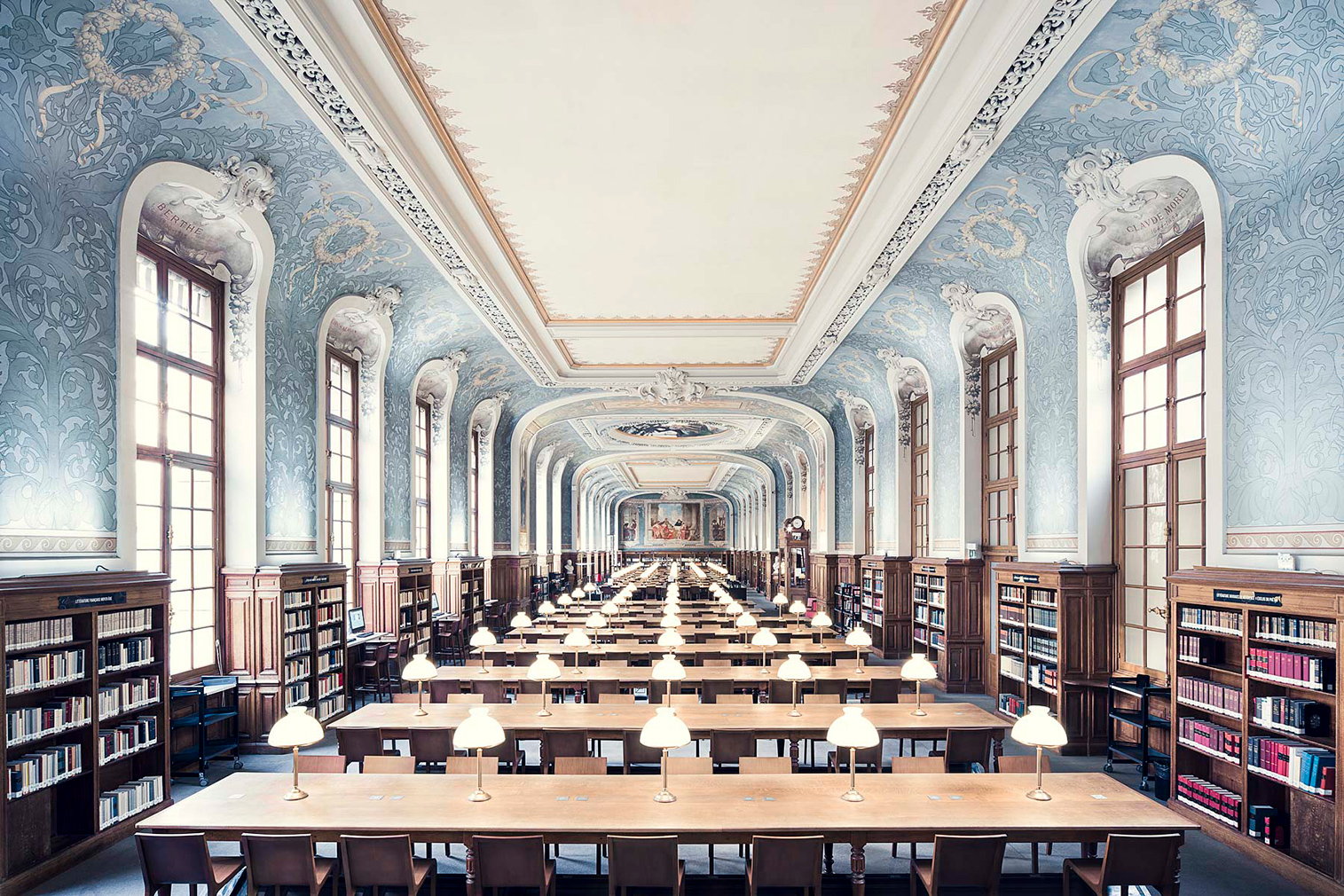
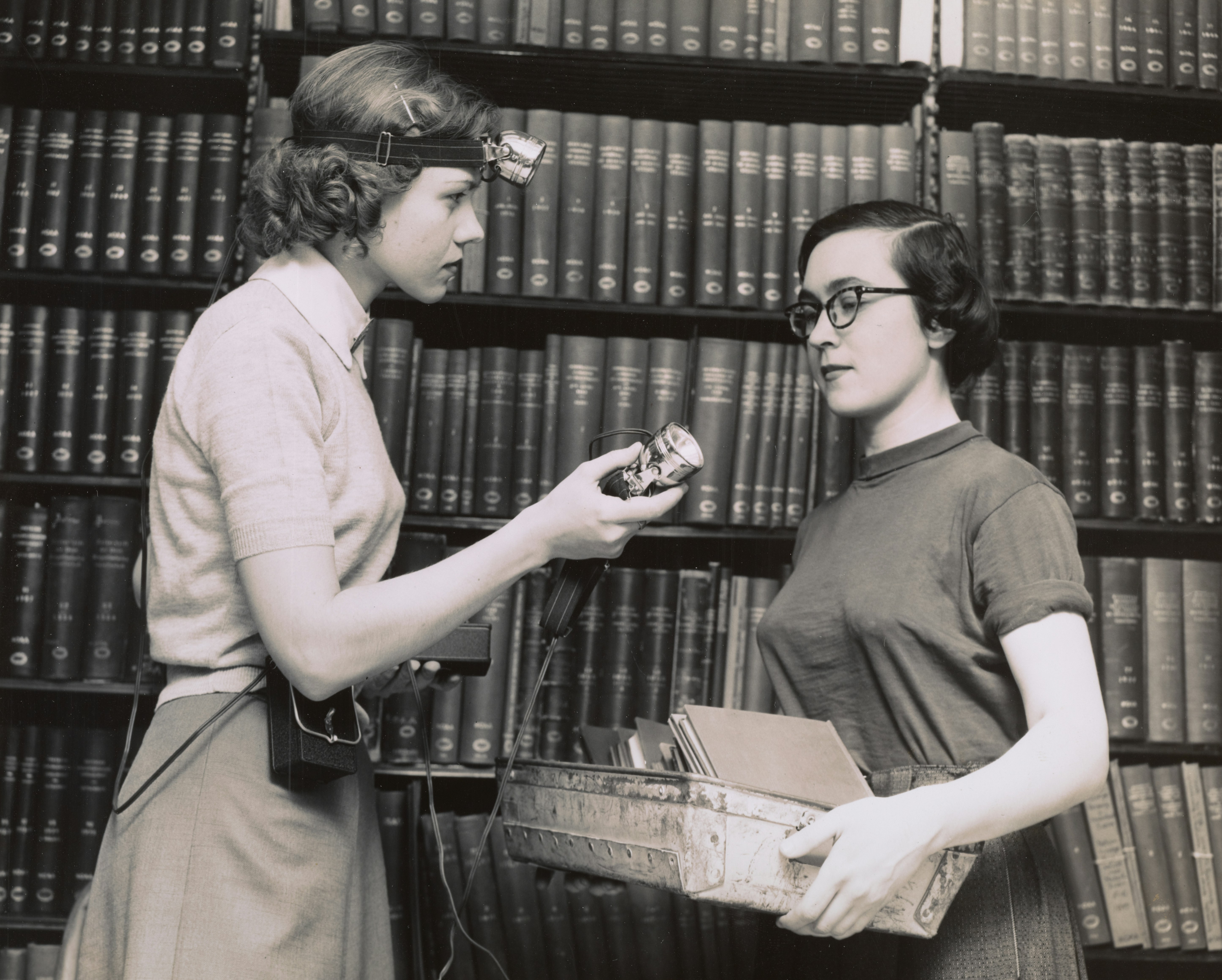



For twenty-five centuries, libraries have civilized every new knowledge technology. The ages of AI are no different.

The Continuum

Every transformative knowledge technology has required a civilizing institution to make it trustworthy and governed in the public interest.

Writing had temples and scriptoria. The printing press had libraries. The internet had public libraries providing free access - terminals, training, digital literacy - to communities that would otherwise have been excluded.

The pattern holds across twenty-five centuries: the technology arrives; the civilizing institution follows; the quality of civilization depends on how well it does its work.

Artificial intelligence is the next - and arguably the most powerful - knowledge technology ever created. It does not merely store or transmit knowledge but transforms it, recombines it, and generates new expressions at planetary scale. The civilizing institution for this technology has not yet stepped forward. This invitation asks whether it already exists.

The Current Trajectory

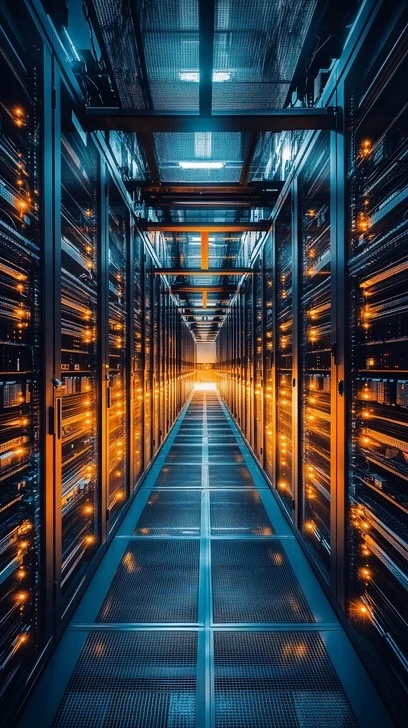
A narrow corridor in a modern datacenter, lined floor to ceiling with server racks glowing amber and blue.
The current AI infrastructure buildout.

The way large language models are being built today follows a specific pattern. It is not the only possible pattern.

The world's accumulated knowledge is scraped at planetary scale, without consent, attribution, or compensation. It is ingested into models that strip away provenance - who created it, who verified it, under what terms it was offered. The resulting systems are powerful, but they cannot tell you where their answers came from or whether the people whose knowledge built them were ever acknowledged.

This approach is also extraordinarily expensive. Training runs are projected to consume ten gigawatts of power by decade’s end. The energy, water, and trillion-dollar datacenter buildout are symptoms of a substrate problem: the compute compensates for the poverty of the knowledge it is built on. When training data carries no structure, no provenance, and no credibility signal, the model burns enormous resources to statistically recover what a well-structured substrate would simply declare.

Libraries will recognize this pattern. It is the enclosure of the commons - applied not to land but to knowledge. The pattern libraries have stood against for centuries.

“If there’s an original sin of the field, it’s this moment when the idea of just harvesting the entire internet - taking people’s photos, taking people’s texts, taking their responses to each other - and seeing it as an aggregate infrastructure that had no specific histories or stories or intimacies or vulnerabilities contained within it.”
- Kate Crawford, Research Professor at USC Annenberg, inaugural Visiting Chair for AI and Justice at the École Normale Supérieure in Paris, and Lead Principal Investigator of the Knowing Machines Project. Author of Atlas of AI (Yale University Press, 2021), and co-creator of Anatomy of an AI System with Vladan Joler.

The Trim Tab

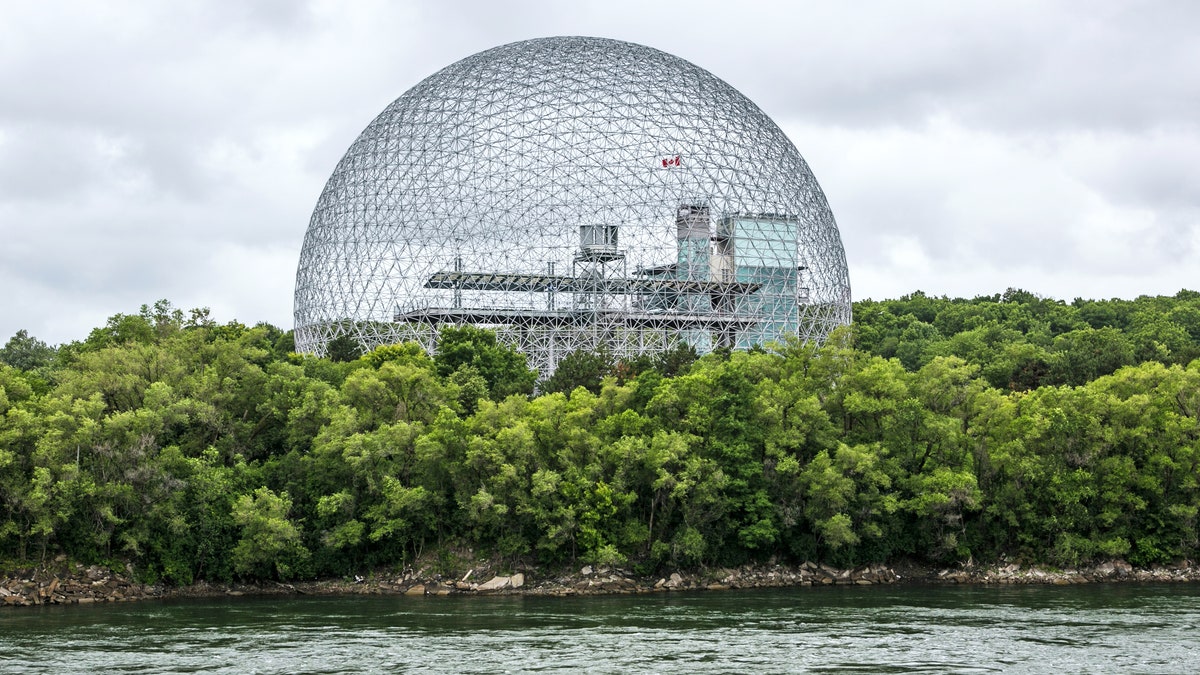
Buckminster Fuller's geodesic dome at Expo 67, Montreal - now the Montréal Biosphère.
Buckminster Fuller’s geodesic dome, Expo 67, Montreal - now the Montréal Biosphère.

Buckminster Fuller - architect, systems thinker, and inventor of the geodesic dome - used the metaphor of the trim tab to describe how small, precisely positioned interventions can redirect enormous systems. A trim tab is a tiny surface on the trailing edge of a ship's rudder. It takes almost no force to move. But moving it changes the pressure on the rudder, which turns the rudder, which turns the ship. Fuller was so taken with the idea that he had the words “Call me Trim Tab” engraved on his headstone.

Libraries cannot outspend the companies building today's AI. They cannot match the compute or regulate the industry. But they can do something no other institution can: provide the governed, provenance-rich, credibility-marked knowledge substrate that makes the brute-force trajectory unnecessary - for the domains where trustworthy knowledge matters most.

Research has already demonstrated that small models trained on high-quality curated data can match or exceed models many times larger trained on raw scrapes. The quality of the substrate determines the efficiency of the training. Libraries hold the highest-quality knowledge substrates in existence.

That is the trim tab. Not competing with the current trajectory, but making it irrelevant - domain by domain, community by community, library by library. A small force, precisely positioned, that redirects the ship.

The Assertion

Why are public libraries indispensable to the ages of AI?

A librarian assists a patron.
New York Public Library. Courtesy Unsplash.

Not merely relevant. Not simply useful. Indispensable - as universities were to the mainframe era and community workshops to the birth of personal computing. Without libraries at the center, democratic and equitable AI is not achievable.

Libraries do not merely provide access to information. They cultivate something far more valuable: the civic capacity to use knowledge wisely, critically, and in relationship with others. A search engine delivers results. A library cultivates judgment. That distinction has never mattered more than it does now, when the most powerful information technology in human history is being built, at extraordinary speed, largely without civic infrastructure.

Consider what libraries hold: community trust across every demographic and geography. Curatorial expertise - the judgment to distinguish the credible from the merely available. A commitment to privacy that predates the internet by centuries. And a gift ontology of knowledge - the understanding that the originating act of contribution is generosity, and the mechanisms that follow exist to honor the gift, not to motivate it.

And they hold something no technology company, no government agency, and no university can match: a demonstrated ability, across centuries, to outlast the political and economic upheavals that destroy lesser institutions.

The civic institution that stewards AI must understand knowledge as gift rather than commodity, must protect individual privacy while demanding institutional transparency, and must carry the trust of the communities it serves. That institution already exists. It has existed for twenty-five centuries. The question is whether it will step forward now - or leave the terms to be set by others.

Public libraries are the indispensable civilizing institution for the age of artificial intelligence.

After Thomas Jefferson, letter to William Charles Jarvis, 1820 - “No institution is a safer steward of a society's ultimate power than an informed public.”

The Invitation

To Pioneering Library Leaders Worldwide

Arapahoe Libraries, serving Arapahoe County in the southern Denver metropolitan region, invites pioneering library leaders worldwide to help found a library alliance for trustworthy knowledge in the ages of AI.

Together we will build what does not yet exist: a governed knowledge commons - curated, provenance-rich, and credibility-marked - anchored in the world’s most trusted civic institutions. Libraries will curate and create the knowledge substrate. Individuals will contribute to it - a researcher structuring findings, a community elder preserving an oral history, a student assembling a capstone with full attribution. Every contribution is a gift into the commons. Every use of that gift carries reciprocity back to the creator. Knowledge honored, not extracted.

This is an invitation to build - extended in the conviction that the skills libraries have cultivated over centuries - curation, stewardship, equitable access, the defense of intellectual freedom - are precisely the skills this moment demands. No other institution holds this combination. No other institution has held it for this long.

The window is open now. As AI systems grow more powerful and the stakes of knowledge governance escalate, the institutions that step forward early will shape the architecture. Those that wait will inherit terms set by others.

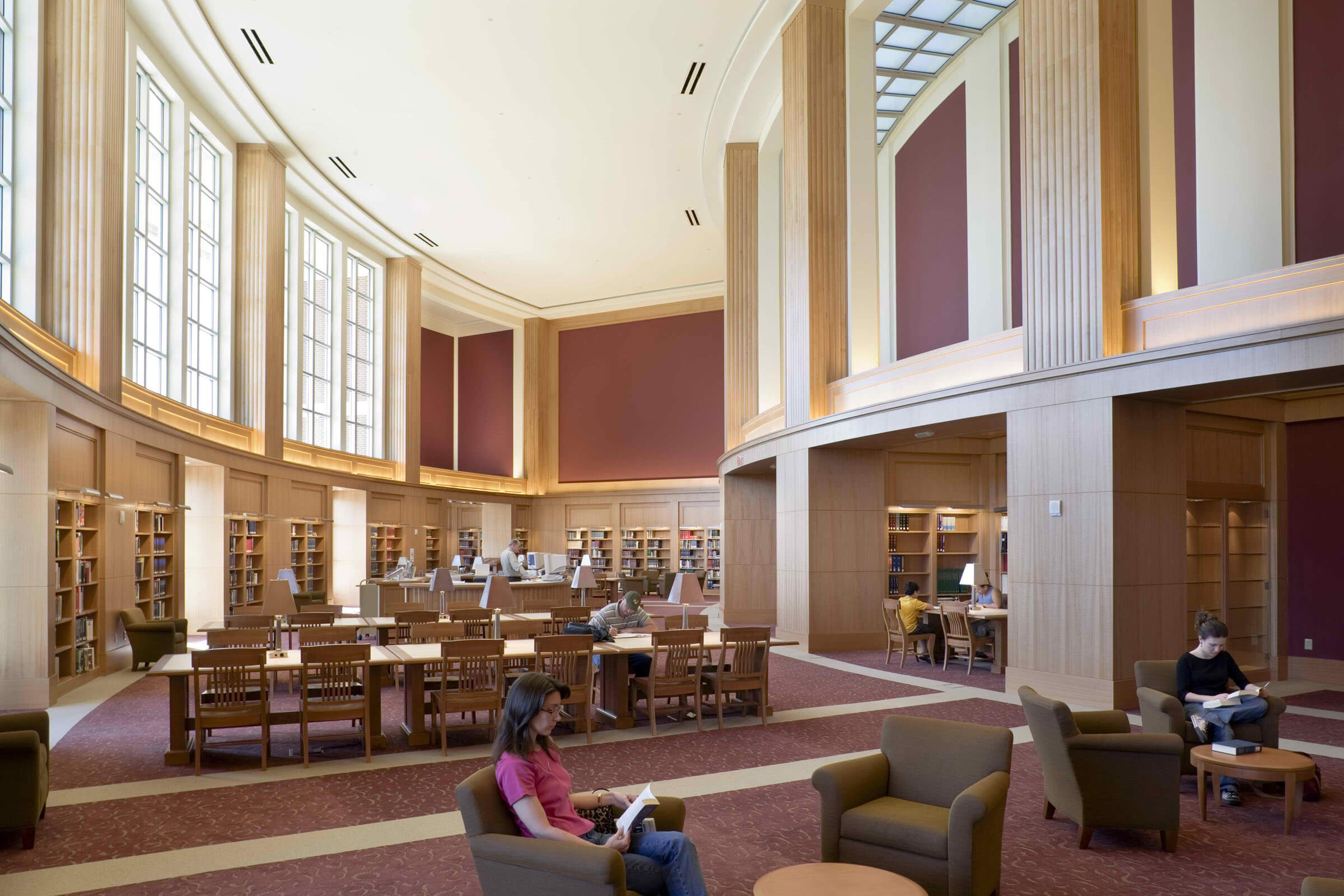
Interim image of a library reading room - to be replaced with an Arapahoe Libraries gathering space.
  • Portrait of Oliver Sanidas

    Oliver Sanidas

    Executive Director, Arapahoe Libraries

  • Portrait of Anthony White

    Anthony White

    Director of Innovation and Technology, Arapahoe Libraries

  • Portrait of Bob Beth

    Bob Beth

    Strategic Innovations Advisor & Co-Convenor

What We Are Building

The Library as Creator & Attestor of Knowledge Objects

MISOs - Multidimensional Intelligent Semantic Objects.

A MISO is a knowledge-bearing object that knows what it contains, remembers where it came from, can prove it has not been tampered with, carries an honest assessment of its own reliability, and participates in an economy that honors its creator. It is not a file. It is not a document. It is not a database row. It is a new kind of thing - a container of meaning designed for the ages of AI. Where a book is a fixed artifact and a web page is an untethered claim, a MISO carries its knowledge together with its provenance - who created it, who verified it, how confident the verification is, and under what terms it may be used. Each MISO is tamper-proof, sealed with post-quantum cryptography so that its provenance and content cannot be altered - a property designed to outlast the arrival of quantum computing. MISOs are the structured, credibility-marked substrate on which trustworthy AI can be built.

Libraries are uniquely positioned to curate and create them. Consider three examples:

  • A local climate corpus - flood histories, farmer oral histories, civic adaptation records - structured as MISOs and offered to a domain-specific climate AI model. The model answers local questions with verifiable sources and transparent origins.
  • A community health knowledge base - curated by librarians in partnership with public health authorities - structured as MISOs so that a health AI assistant at the library cites verified sources rather than scraping the open web.
  • A local governance archive - council minutes, planning records, community consultations - structured as MISOs so that civic participation tools can draw on verified primary sources rather than news summaries of them.

The architecture goes deeper. If a scientific paper has one wrong paragraph, you cannot cite the others without attaching the whole paper’s problems to your citation. A MISO fixes this: cite paragraph 42 directly. If 42 is Substantiated and 43 is Contested, your citation carries that distinction forward. Granular, inspectable credibility - the kind librarians have wished for their entire careers.

Libraries are not the only creators. Every individual library patron or member can create MISOs - a researcher, a farmer, an elder, a student. The MISO Commons is a living ecosystem in which institutional curation and individual contribution reinforce each other. When any MISO contributes to an AI response, reciprocity flows back to the creator. Knowledge as gift, honored in code.

Read more

Extended explainer forthcoming.
The Library ID

Identity without surveillance.

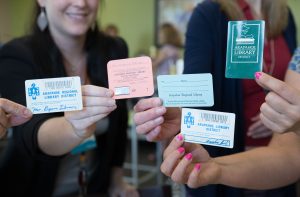
Arapahoe Libraries membership cards.

To participate in any commons - to contribute a MISO, to receive recognition and reciprocity when your knowledge is used, to have a voice in governance - you need to be identifiable. But the dominant models for digital identity are built on surveillance: iris scans, facial recognition, centralized biometric databases.

The Library ID offers a different path. Your library membership becomes your sovereign digital identity. You are known to the knowledge commons as a citizen of your library district - without biometric capture and without centralized tracking. The library authenticates that you are a real member of a real community. It never sees what you do with that identity afterward.

Privacy for the person, transparency for the institution. This is the principle libraries have defended for centuries, now made architectural.

Read more

Extended explainer forthcoming.
The Homebrew AI Cohort

The maker space, the right to repair, the sovereign device.

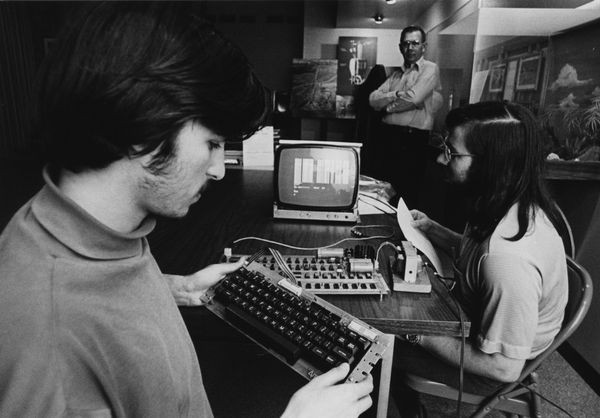
Steve Jobs and Steve Wozniak at a Homebrew Computer Club era gathering.
Steve Jobs and Steve Wozniak at the Homebrew Computer Club era.

In March 1975, a small group of electronics hobbyists began meeting in a garage in Menlo Park, California. They called themselves the Homebrew Computer Club. Among the regular attendees were two young men named Steve Wozniak and Steve Jobs. The personal computer revolution was incubated in that room - not by a corporation, not by a university, but by a community of practice sharing knowledge, parts, and know-how.

The pattern has repeated since - most visibly in the Raspberry Pi movement, which has put low-cost, educational computing into the hands of millions worldwide. Public library makerspaces, including those already operating at Arapahoe Libraries, are the contemporary successor spaces.

At each participating library, a Homebrew AI Cohort gathers to build, maintain, and upgrade their own sovereign AI-enabled devices - assembled as kits or purchased as complete units, with every layer owner-replaceable. The next revolution is waiting for its room.

Read more

Extended explainer forthcoming.
Arapahoe Libraries as Activating Institution

Arapahoe Libraries is the activating institution of this invitation. We are preparing to extend the invitation to a small number of early followers - institutions whose character, reach, and commitment to intellectual freedom uniquely qualify them to help shape what the alliance becomes. Conversations are being opened with:

In

Australia

State Library Victoria

Melbourne
State Library Victoria acknowledges the traditional lands of all the Victorian Aboriginal clans, and their cultural practices and knowledge systems. We pay our respects to their Elders, past and present, who have handed down these systems of practice to each new generation for millennia.
In

Canada

Toronto Public Library

Toronto
Toronto Public Library is situated on Indigenous land and Dish with One Spoon territory. This is the traditional territory of the Haudenosaunee Confederacy, the Wendat, and the Mississaugas of the Credit First Nation. Toronto Public Library gratefully acknowledges these Indigenous Nations for their guardianship of this land.
In the

United States

Columbus Metropolitan Library

Columbus, Ohio

On the ancestral lands of the Shawnee, Miami, Wyandot, Lenape (Delaware), and other Indigenous peoples whose presence on these lands extends across generations. Institutional acknowledgement language to be confirmed.

Anythink Libraries

Adams County, Colorado

On the ancestral lands of the Cheyenne, Arapaho, and Ute peoples. Institutional acknowledgement language to be confirmed.

The Library Alliance - A Global Cooperative

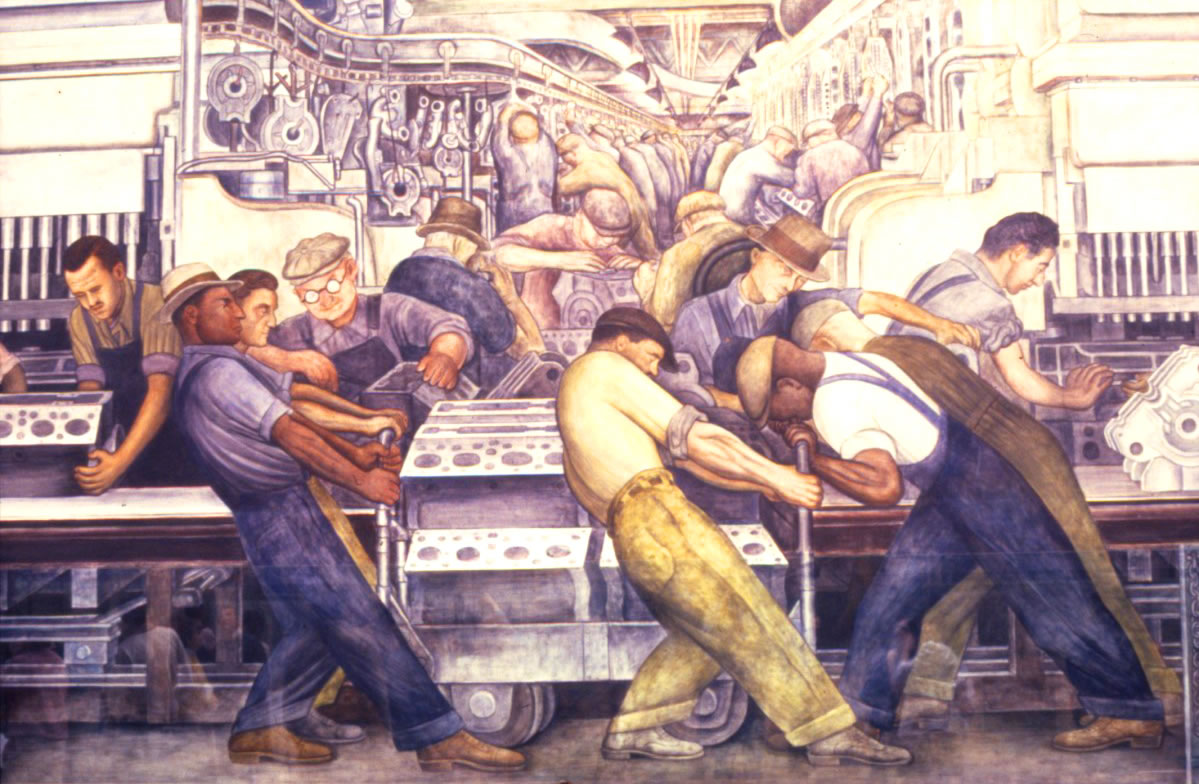
Diego Rivera, Detroit Industry Murals, 1932–33. Detroit Institute of Arts.

The library alliance is designed to become a shared institution, not just a shared mission. The cooperative movement - three million cooperatives strong, representing more than 12% of humanity - offers the proven model: member-owned, democratically governed, purpose-protected. Australia’s long tradition of cooperative law produced, in 2019, the Mutual Capital Company - a form that allows cooperatives to raise external capital without surrendering member control. The library alliance will be constituted under this framework: libraries as founding members, capital welcomed as a guest, purpose legally protected.

About the Co-Convenor

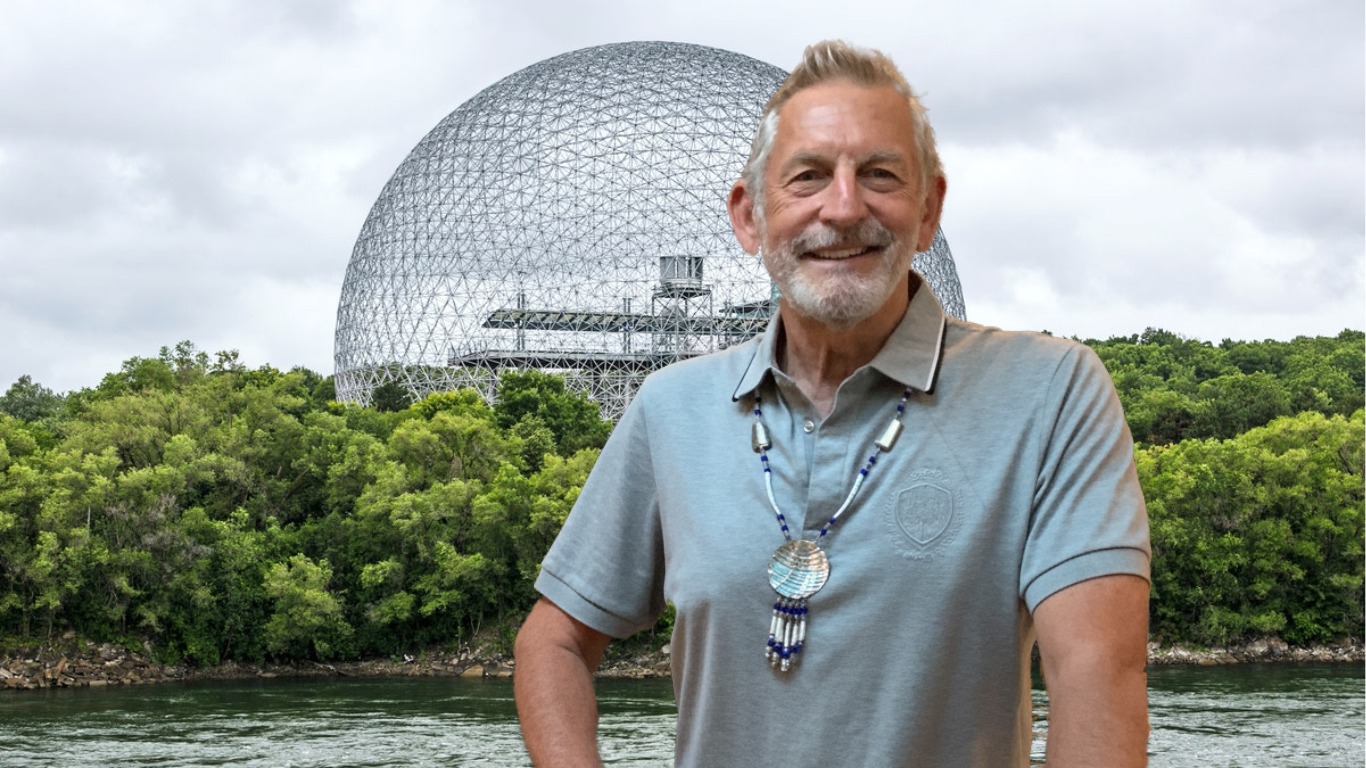
Bob Beth at the Montréal Biosphère.

Bob Beth is the Strategic Innovations Advisor to Arapahoe Libraries, Co-Convenor of this invitation, and inventor of the Multidimensional Intelligent Semantic Object (MISO). His work in information technology spans five decades - from forerunners of personal computing, through global networking, to today's AI-native knowledge structures.

In 1987 he architected one of the first commercial global TCP/IP networks, for Babcock & Brown. In the early 1990s he founded Proponent on Steve Jobs' NeXT Computer - the platform that became the foundation of Apple's OS X - pioneering no-code / low-code development for mission-critical applications long before the term existed. His work on Apple's store list system was instrumental to identifying the locations that became foundational to one of retail history's most successful transformations.

A Fellow of the World Business Academy, Bob moves annually between North America and Aotearoa New Zealand, Australia, and the South Pacific. In Aotearoa, collaborating with Māori leader Sir Tipene O’Regan, he helped provide early vision for Māori-led Murihiku Regeneration, for which he was named global ambassador - work grounded in Indigenous values that treat stewardship and intergenerational responsibility as operational imperatives, not ideals.

His capacity to help leaders realize seemingly impossible visions was shaped by his grandfather, Jack Rorex, who led set construction at Walt Disney Studios for over thirty years as one of Walt's key prototypers. What Walt imagined, Grandpa Jack built. Growing up in that world shaped a way of thinking that, as Bob reflects, “doesn't have boxes around it.”

Bob holds no particular direct history with libraries. What he holds is five decades of building trustworthy infrastructure at inflection points, and an unshakeable conviction that the ages of AI require civilizing institutions at their centre. He brought this vision to Arapahoe Libraries. This invitation is the result.

The mission is waiting. The invitation is open.

Request the Briefing

The Civilizing Role of Libraries in the Ages of AI, accompanied by a short cover letter from Arapahoe Libraries.

An acknowledgement will reach you from Arapahoe Libraries, with Anthony White, Director of Innovation and Technology, Arapahoe Libraries, as a point of human contact.